
10
Feb
Helpful Hints for a Healthy Voice
Increase fluid intake, 6-8 glasses of water is recommended daily (unless you are receiving dialysis and have fluid restrictions). Drinking water-based beverages improves the lubrication of the vocal folds by raising internal humidity and thinning secretions in the larynx (voice ...
View More10
Feb

Speech therapy video visits
Speech therapy video visits for voice, swallowing, and SPEAK OUT! ® are currently available if the patient prefers a video visit instead of an in-office speech therapy session. Speech therapy video visits are real-time and fully interactive without the patient or the speech-l...
View More10
Feb
Why dysphagia therapy?
June is Dysphagia Awareness Month. It translates to dys- (disordered) and -phagia (swallowing). Problems can range from severe instances of a complete inability to swallow to mild discomfort when swallowing. Some people complain of coughing on liquids. Others say food gets stuck...
View More10
Feb
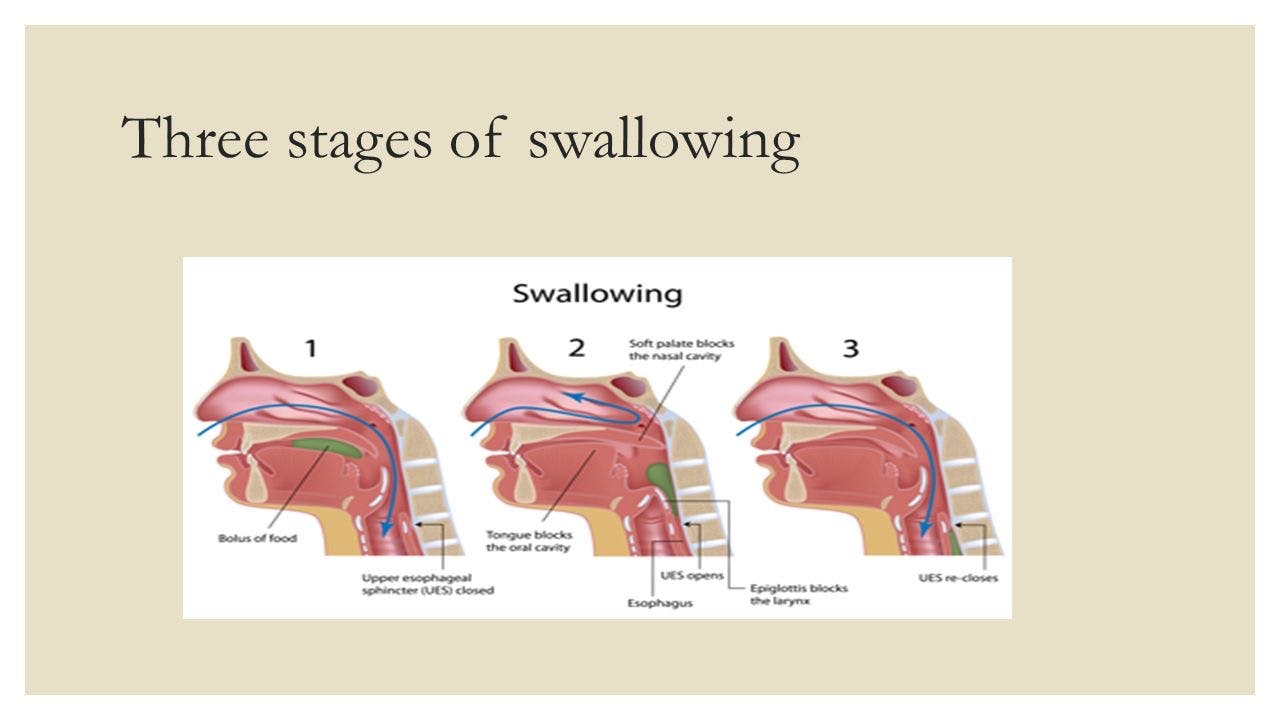
3 Stages of Swallowing
Three stages of swallowing Did you know swallowing is a complex function? Swallowing occurs in a series of sequential steps including the oral phase, pharyngeal phase and the esophageal phase. These are the “3 stages of swallowing”. First, the oral phase (what happe...
View More10
Feb

Happy World Voice Day!
Happy World Voice Day! World Voice Day is April 16. Every year on April 16, otolaryngologist—head and neck surgeons and other voice health professionals worldwide join together to recognize World Voice Day (WVD). World Voice Day encourages men and women, young and old, to ...
View More10
Feb

March is MS Awareness Month
Speech Therapy Can Help Patients with MS: Speech and swallowing problems are among the most frustrating of MS symptoms, but speech therapy can help patients speak and swallow better. For the millions of people throughout the world with multiple sclerosis, symptoms can be debilit...
View More10
Feb

A New Year’s Resolution for a Healthy Voice
With the new year right around the corner, too, you're probably planning your resolutions. Why not keep your voice healthy in the new year? You can start now with a few easy choices: Focus on your breathing: Breathing powers the voice, and good breathing patterns are bene...
View More10
Feb

How to keep your voice healthy during the holidays
Make sure to get enough sleep: With so many obligations during the holiday season, it can be tempting to add extra hours to your day by staying up later. Remember, your vocal mechanism is a smaller part of your whole body. Caring for your voice starts with caring for your whole b...
View More10
Feb
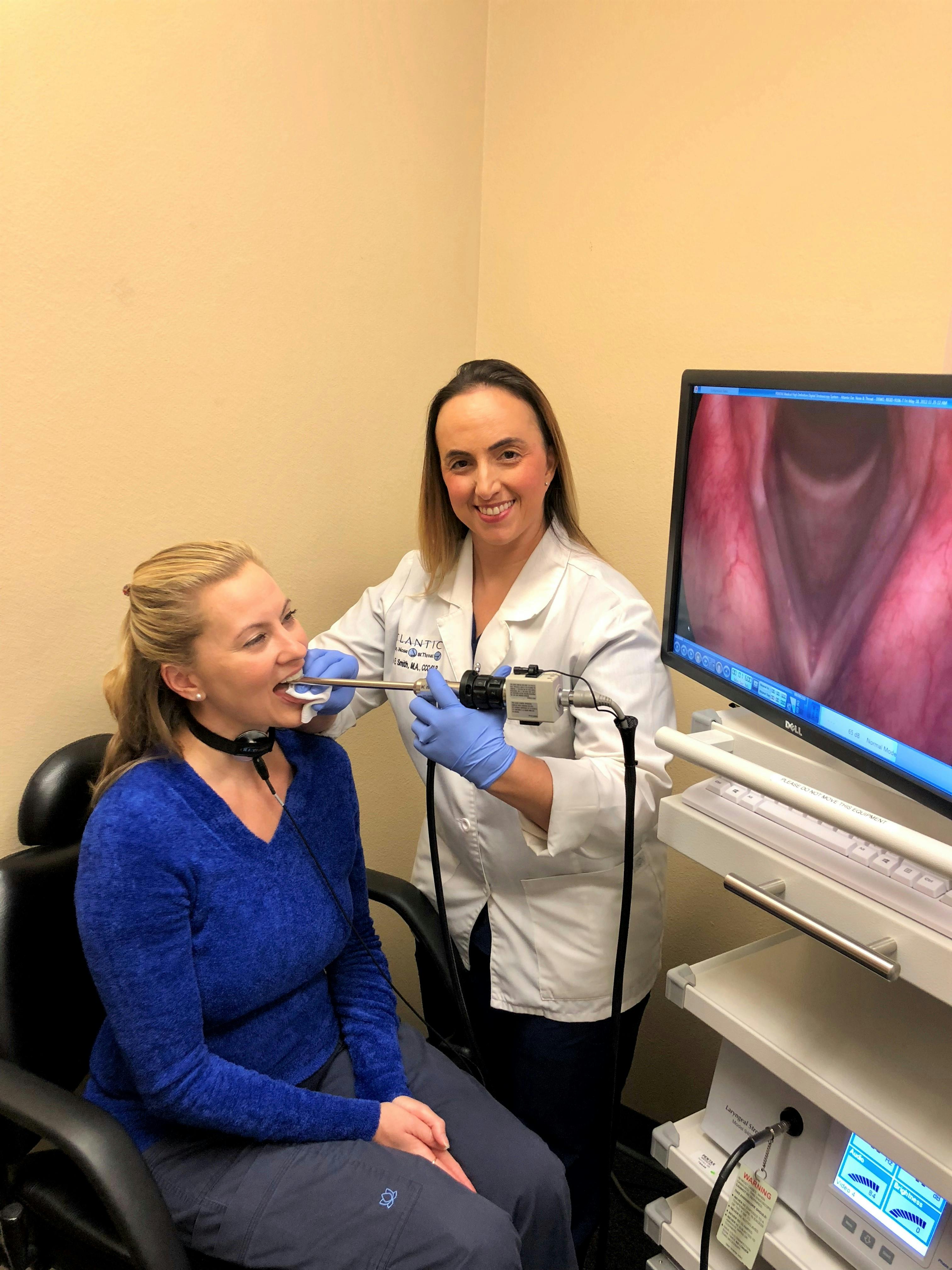
Videostroboscopy
What's Going on With My Voice? Is your voice not what it used to be? Are you losing your voice frequently, experiencing hoarseness, or persistent strain? A videostroboscopy assessment will provide a more detailed analysis of your vocal folds while you are producing sound ...
View More10
Feb

LOUD Crowd
We are pleased to announce that we have added The LOUD Crowd® to preserve the voices of individuals with Parkinson's and related neurological disorders such as Essential Tremor, Lewy Body Dementia, Progressive Supranuclear Palsy and Multiple System Atrophy. Upon complet...
View More10
Feb

8 Tips for Saving Your Teacher Voice
1. Stay healthyThe quickest route to a fragile, hoarse voice is through a cold, so those sickness-avoiding techniques we utilize during cold and flu season are critical for voice preservation year-round. Keep your hands away from your eyes, nose and mouth, and wash them as often ...
View More10
Feb
June is Mysathenia Gravis Awareness Month
Myasthenia gravis is an autoimmune disease affecting the nerve-muscle interface. The disease is more common in women (2:1). It typically presents between the ages of 30 and 40 in females and between the ages of 60 and 70 in males. No known risk factors exist. The typical symptom...
View More