
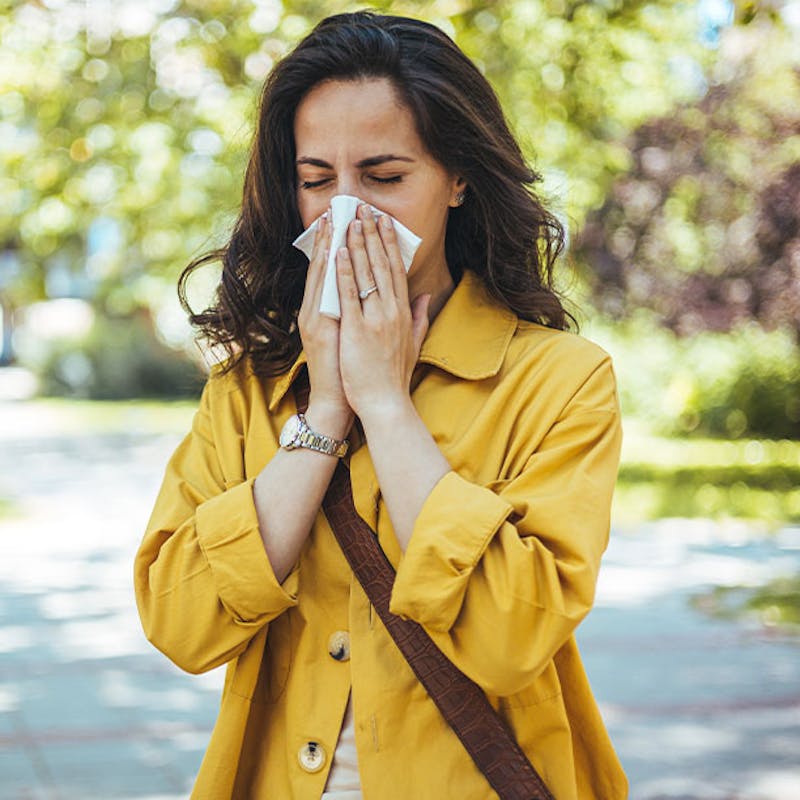
When you think of seasonal allergies, spring may be the first season that comes to mind. But across Florida, August can bring a new mix of allergy triggers — even while some summer allergens are still hanging around.
Late-summer weeds, especially ragweed, begin releasing pollen that can trigger symptoms well into the fall. At the same time, native grasses may still be contributing to symptoms in our area. And our warm, humid climate means mold can be an allergy trigger throughout much of the year.
If you suddenly find yourself sneezing, congested or reaching for the tissues, seasonal allergies could be to blame.
Is It Allergies or a Summer Cold?
A stuffy or runny nose can make it easy to assume you've caught a cold, but certain symptoms may point toward allergies instead.
Common symptoms of seasonal allergies include:
-
Sneezing
-
Stuffy or runny nose
-
Itchy nose or throat
-
Itchy or watery eyes
-
Postnasal drip
One important clue is itching. An itchy nose, eyes or throat is common with allergies but less typical of a cold.
Allergy symptoms also tend to persist or return when you're exposed to a trigger, while a typical viral illness eventually runs its course.
What's Triggering Late-Summer Allergies in Florida?
There isn't just one culprit. Several outdoor allergens can overlap during late summer across Florida.
-
Ragweed and other weeds: Weed pollen becomes an increasingly common trigger as summer progresses into fall. According to the
Asthma and Allergy Foundation of America -
Grass pollen: Don't count grass out just because summer is winding down. Depending on local weather conditions, grasses can continue contributing to allergy symptoms well into our warm autumn months.
-
Mold: High humidity, afternoon thunderstorms, and warm temperatures create ideal conditions for mold. As noted by the
Centers for Disease Control and Prevention (CDC)
That overlap can make late summer a particularly frustrating time for people with multiple environmental allergies.
What Can You Do About Late-Summer and Fall Allergies?
Reducing your exposure to allergens may help lessen symptoms. Consider:
-
Checking local pollen and mold counts via the
National Allergy Bureau -
Keeping windows closed and running your air conditioning to filter indoor air
-
Showering and changing clothes after spending significant time outdoors
-
Avoiding bringing pollen-covered shoes and clothing into bedrooms
-
Addressing excess moisture or humidity inside your home that can encourage mold growth
-
Talking with a healthcare provider about appropriate allergy medications and treatment options
Depending on your symptoms, treatment may include antihistamines, nasal sprays or other targeted therapies.
When Is It Time to See a Specialist?
If you're relying on over-the-counter medications but still struggling with congestion, sneezing, sinus pressure or other symptoms, it may be time to find out what's actually triggering your allergies.
Comprehensive
In Florida, allergy season doesn't always fit neatly into one time of year, but that doesn't mean you have to live with the symptoms.
Ready to Breathe Easier? Find Care Near You
Florida ENT Associates is proud to be part of a leading network of affiliated practice groups committed to providing exceptional ear, nose, throat, and allergy care. Whether you are local to Florida or visiting from neighboring regions, expert relief is always nearby.