
10
Nov
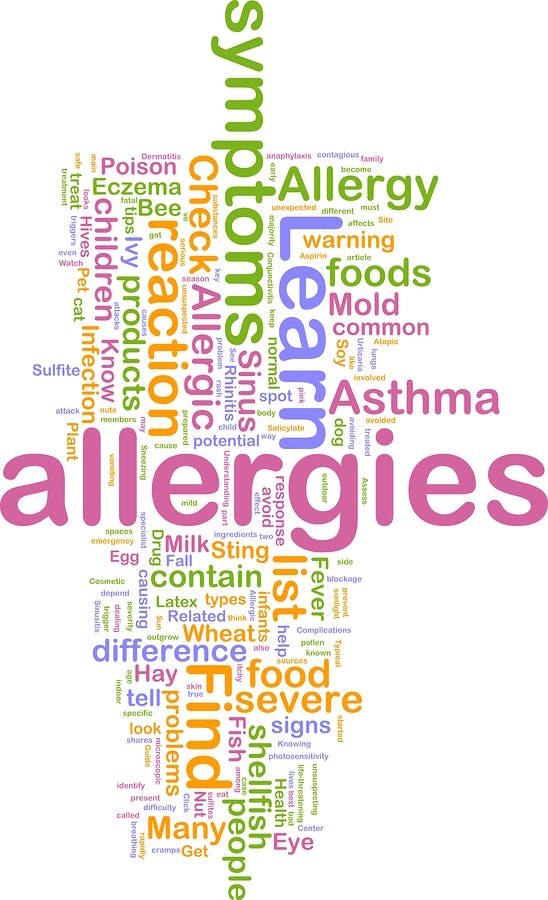
What is an Allergy?
Most people are familiar with the phrase “I have allergies. ” Either they've heard it used in passing by friends and family, or they’ve become frequent users of it themselves. But what exactly does that mean? What is an allergy? Contrary to some belief...
View More10
Nov
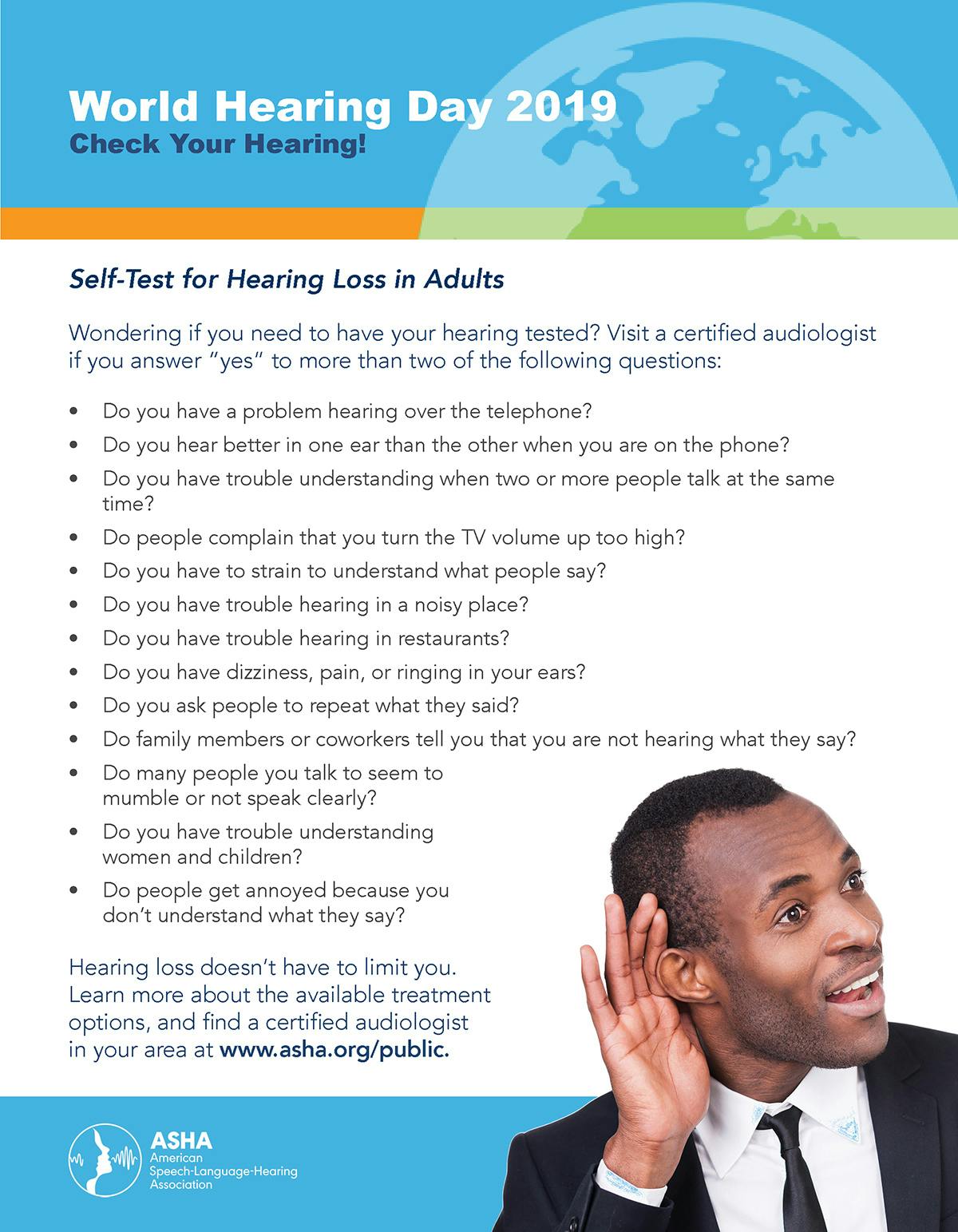
World Hearing Day 2019
World Hearing Day, an observance designated by the World Health Organization, aims to raise awareness and promote ear and hearing care across the world. The 2019 World Hearing Day theme is “Check Your Hearing! ” This aims to draw attention to the importance of early id...
View More10
Nov

Keep Your Voice Healthy At Work
If you work in a call center for example, your job depends on your voice, and you are considered an occupational voice user. Your voice is the only tool you have to convey your company's message. Whether your call center is in retail, finance, technical support, bill collec...
View More10
Nov

Why Are Restaurants So Loud?
Have you noticed conversations have become more and more difficult in modern restaurants? If you have, you're not alone. Industrial style restaurants using hard materials such as concrete and metal, which are not known for their ability to absorb sound, have become quite tr...
View More10
Nov
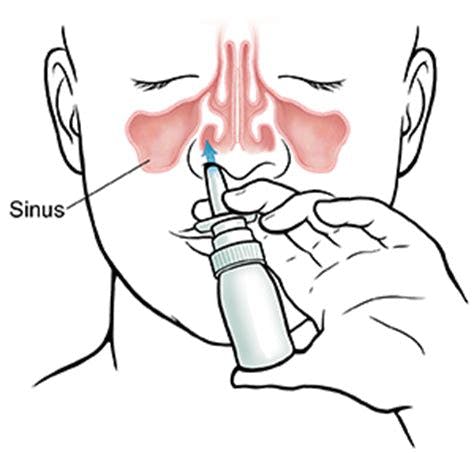
The Correct Way to Use a Nasal Spray
Spray at an angle into the nasal cavity with the nozzle pointed towards the ear. Do not sniff in, it's important the spray liquid remains in the nasal cavity and not swallowed, the product simply will not work if the spray enters the throat. Remember, it may take up to two ...
View More10
Nov

February is Smart Healthcare Consumer Month
February is about more than just valentines and chocolate. It's also a month to promote the importance of being a smart healthcare consumer and all the ways in which we can benefit our health without breaking the bank. One of the most important aspects of being a smart con...
View More10
Nov

Skip Chocolate to Avoid Heartburn this Valentine’s Day
Certain foods can be problematic for those who suffer from acid reflux. Unfortunately, when it comes to acid reflux, chocolate is a triple threat. It is high in cocoa, fat, and stimulants (caffeine and theobromine) - all of which contribute to acid reflux. This time of year...
View More10
Nov

Allergy Questionnaire
Symptoms of allergies can often overlap with those caused by other illnesses such as colds or the flu. Because of this, it can often be difficult to pinpoint the exact cause of your suffering. If you answer any number of the following statements TRUE, allergies could be causing y...
View More10
Nov
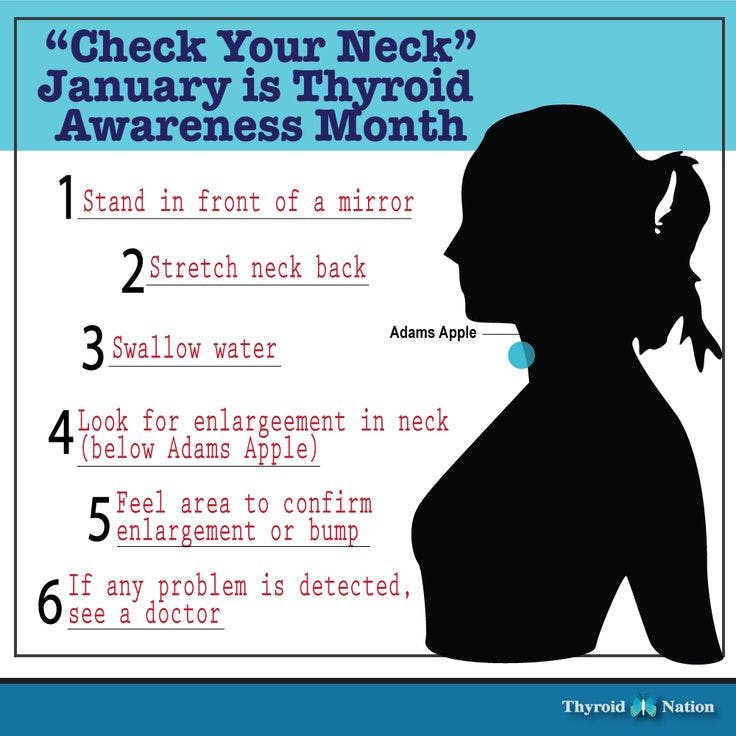
January is Thyroid Awareness Month
Did you know your thyroid gland makes hormones that help control the function of many of your body's organs, including your heart, brain, liver, kidneys, and skin? Making sure that your thyroid gland is healthy is important to your body’s overall well-being. An estima...
View More10
Nov

January is International Quality of Life Month
Here are some key points about the impact of the use of hearing aids on quality of life: Hearing aids improve overall quality of life for most users Hearing aid users enjoy better overall health than non-users Hearing aid users are perceived by their families to have better cogn...
View More10
Nov

Voice Quiz
Do any of these statements about your voice sound familiar? I run out of air when I talk. 2. The sound of my voice varies throughout the day. 3. My voice sounds creaky and dry. 4. I use a great deal of effort to speak. 5. My voice “gives out” in the middle of speaking. 6...
View More10
Nov

Study Shows Hearing Loss Will Likely Cost You More In Health Care Expenses
Untreated hearing loss in older adults affects more than just their ability to communicate. It can also increase their health care expenses. A Johns Hopkins Bloomberg School of Public Health study found that older adults with untreated hearing loss pay an average of 46 percent mo...
View More