
13
Oct
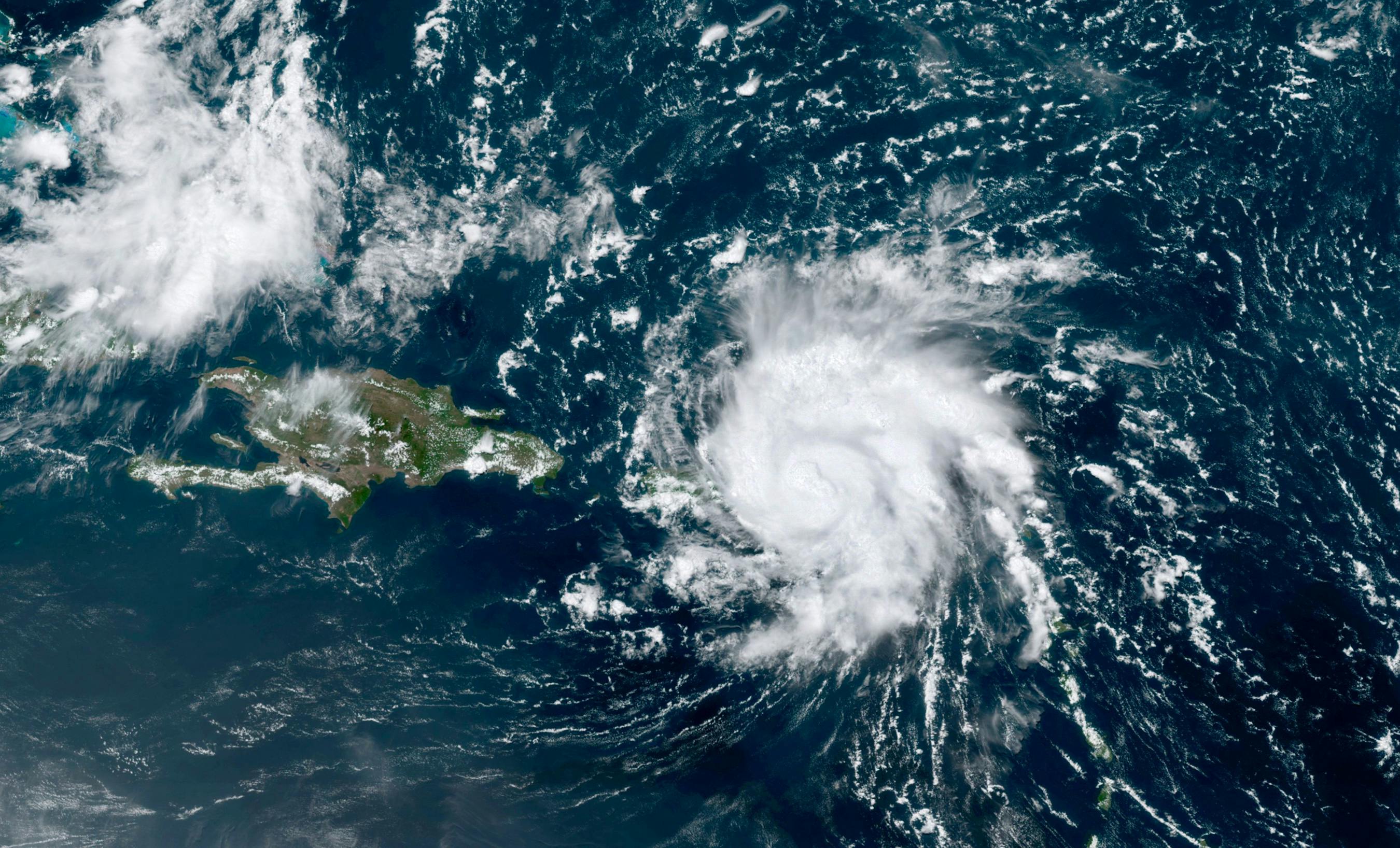
Hurricanes Can Wreak Havoc on Your Sinuses
Storms affect atmospheric pressure (also called barometric pressure), which is the pressure of the air in the earth's atmosphere. Hurricanes and other strong storms can cause massive dips in this pressure. When the pressure in the earth’s atmosphere drops suddenly and...
View More13
Oct
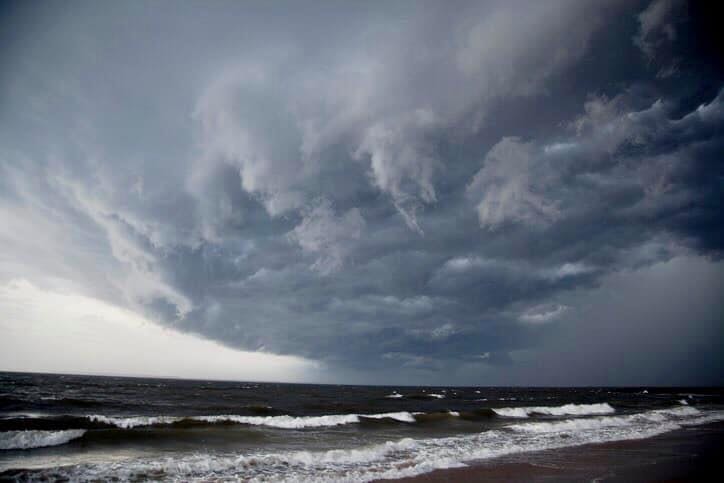
Extreme Weather Effects on Allergies
Thunderstorms have been linked to worsened allergy and asthma symptoms. Rain can force pollen grains to rupture and split, dispersing even more pollen into the atmosphere. Then high winds spread it around. The very strong winds from a hurricane or a tornado will likely blow polle...
View More13
Oct
13
Oct
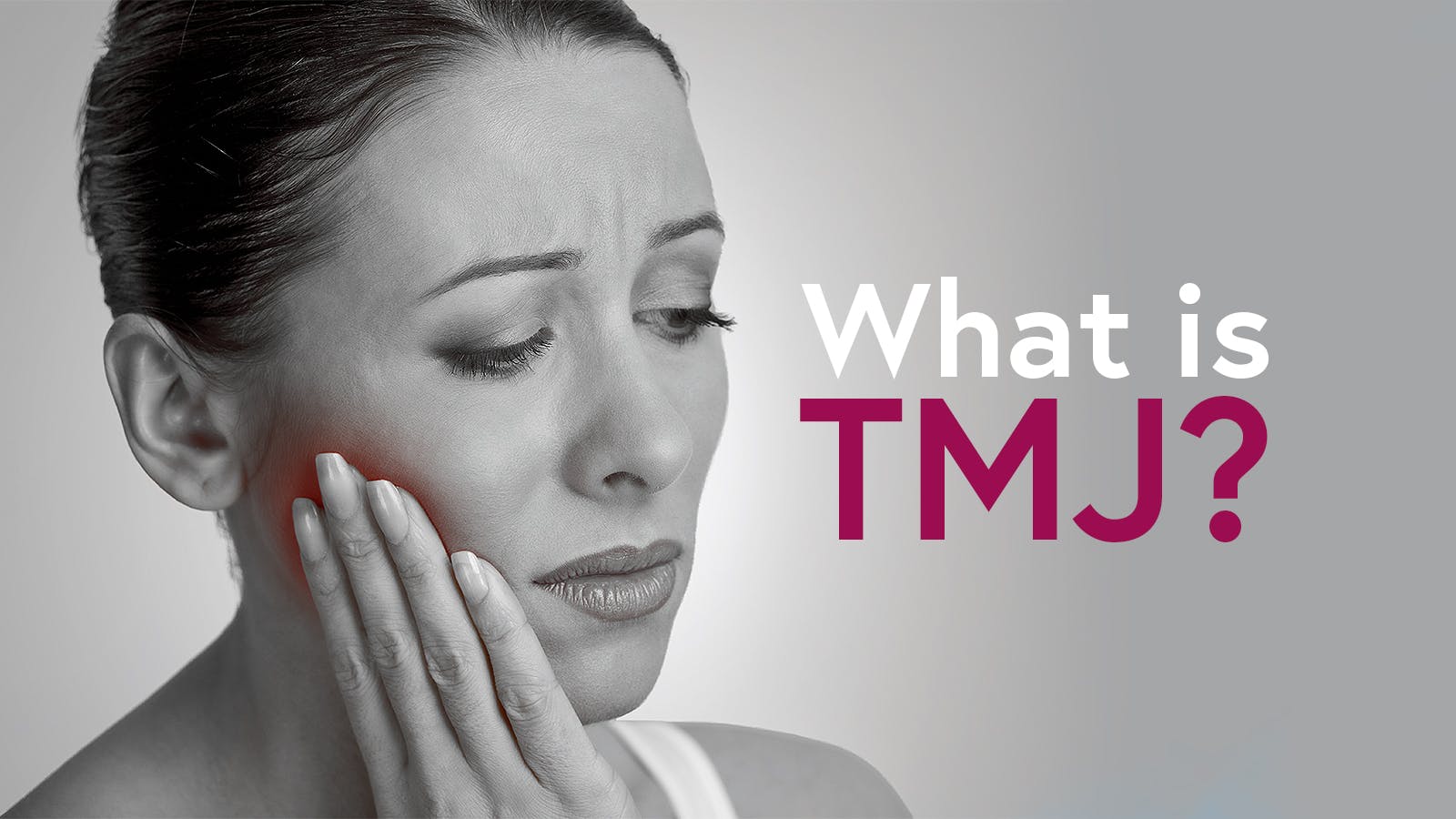
What is TMJ?
What is a temporomandibular joint disorder? The temporomandibular joint (TMJ) connects the jaw to the skull, which is located in front of your ear. You have one joint on each side of your mouth. At the jaw joint, muscles, ligaments, and bones work together as a system. When the sy...
View More13
Oct

8 Tips for Saving Your Teacher Voice
1. Stay healthyThe quickest route to a fragile, hoarse voice is through a cold, so those sickness-avoiding techniques we utilize during cold and flu season are critical for voice preservation year-round. Keep your hands away from your eyes, nose and mouth, and wash them as often a...
View More13
Oct

Back to School Allergy Preparation
As August quickly approaches, many parents instinctively begin thinking of back-to-school preparation. As if gathering school supplies, school uniforms, new sneakers and backpacks wasn't enough, we’re here to tell you that there may be more! If you have children with ...
View More13
Oct

Swimmer’s Ear
Swimmer's ear can ruin your summer: Swimmer’s ear, also known as otitis externa, is an infection in the outer ear canal, which runs from your eardrum to the outside of your head. It’s often brought on by water that remains in your ear after swimming, creating a ...
View More13
Oct

Abrasive Mouthwash
Mouthwash: Is the burn good or bad? For many years, your choices in mouthwash were either Scope or Listerine. But as awareness of mouthwash has increased, so have your options; however, Listerine still seems to be the brand most people think about when they hear the word “m...
View More13
Oct
July is National Cleft & Craniofacial Awareness & Prevention Month
Cleft and craniofacial conditions affect thousands of infants, children, teens and adults in the United States each year. Some are born with congenital anomalies like cleft lip and palate, others with more complex, life-threatening craniofacial conditions. Some are burned; others...
View More13
Oct

Good intentions to keep ears clean may be risking the ability to hear
The ear is a delicate and intricate area, including the skin of the ear canal and the eardrum. Therefore, special care should be given to this part of the body. Start by discontinuing the use of cotton-tipped applicators and the habit of probing the ears. Cerumen (earwax) is heal...
View More13
Oct

Disadvantages of Tongue Brushing
Brushing the tongue when brushing your teeth has been touted as a cure for bad breath caused by bacteria that form on your tongue. This cleaning of the tongue is supposed to both improve bad breath and lessen the risk of infection in periodontal openings while reducing bacterial ...
View More13
Oct
June is Mysathenia Gravis Awareness Month
Myasthenia gravis is an autoimmune disease affecting the nerve-muscle interface. The disease is more common in women (2:1). It typically presents between the ages of 30 and 40 in females and between the ages of 60 and 70 in males. No known risk factors exist. The typical symptoms...
View More