Persistent nasal congestion, sneezing, or a runny nose may be signs of rhinitis, a common condition that can result from allergies, environmental triggers, or other underlying factors.
What Causes Rhinitis?
Allergic rhinitis occurs when your body’s immune system overresponds to specific, non-infectious particles such as plant pollens, molds, dust mites, animal proteins, chemicals, foods, medicines, insect venom, and other triggers. During an allergic attack, a special antibody (fighting protein), called IgE, attaches to cells that release histamine and other chemicals in the lungs, skin, and the mucous linings of the body. These chemicals open the blood vessels and produce skin redness and swollen membranes. When this happens in the nose, sneezing, itching, a runny nose, and congestion occur.
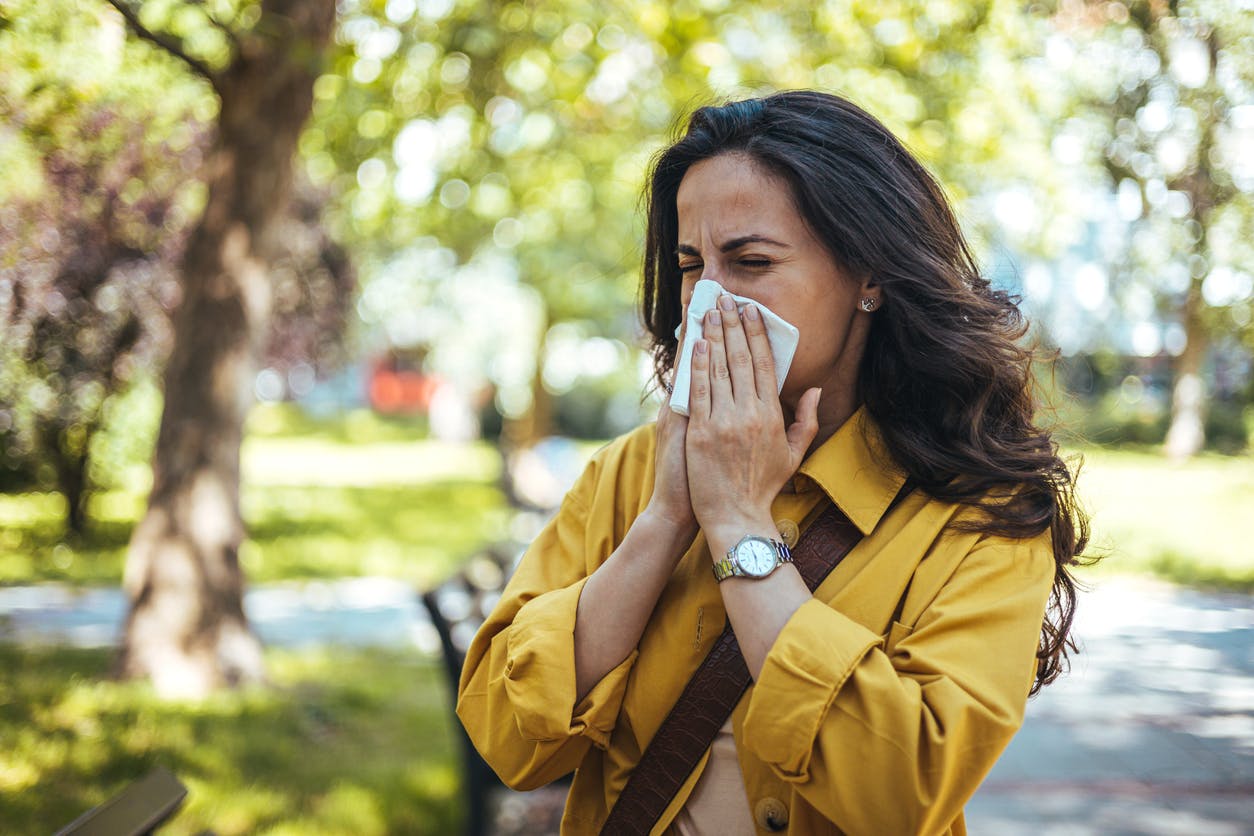
Seasonal allergic rhinitis depends on specific plants that are pollinating at that time. In the United States, springtime allergic rhinitis is typically due to pollinating trees. Early summer allergic rhinitis is often due to grass pollination, and allergic rhinitis in the fall is usually due to weed pollination. Hypersensitivity to ragweed is very common in autumn. Also in the fall, you may experience allergic symptoms from mold spores on falling leaves.
Perennial allergic rhinitis can be felt year-round and can result from sensitivity to animal proteins, mold, houseplants, and dust mites in carpeting and upholstery. When seeking a medical evaluation for suspected allergic rhinitis, it is important to be aware of the pattern of symptoms (seasonal triggers, indoor vs. outdoor, specific triggers, animal exposure, etc.).
Non-allergic rhinitis and vasomotor rhinitis (a type of non-allergic rhinitis) do not depend on the presence of IgE antibodies, and are not due to an allergic reaction. You can have non-allergic rhinitis even if you test positive for allergies. Some of the causes of non-allergic rhinitis include:
- Certain infections
- Certain medications (various over-the-counter and prescription preparations)
- Eating and drinking (sometimes specific foods, sometimes all food/drink consumption)
- Weather or temperature changes
- Aging
- Hormonal changes or pregnancy
- Consumption of alcohol, especially red wine
- Inflammation or irritation in the nose unrelated to allergy
- Nasal symptoms of other medical conditions