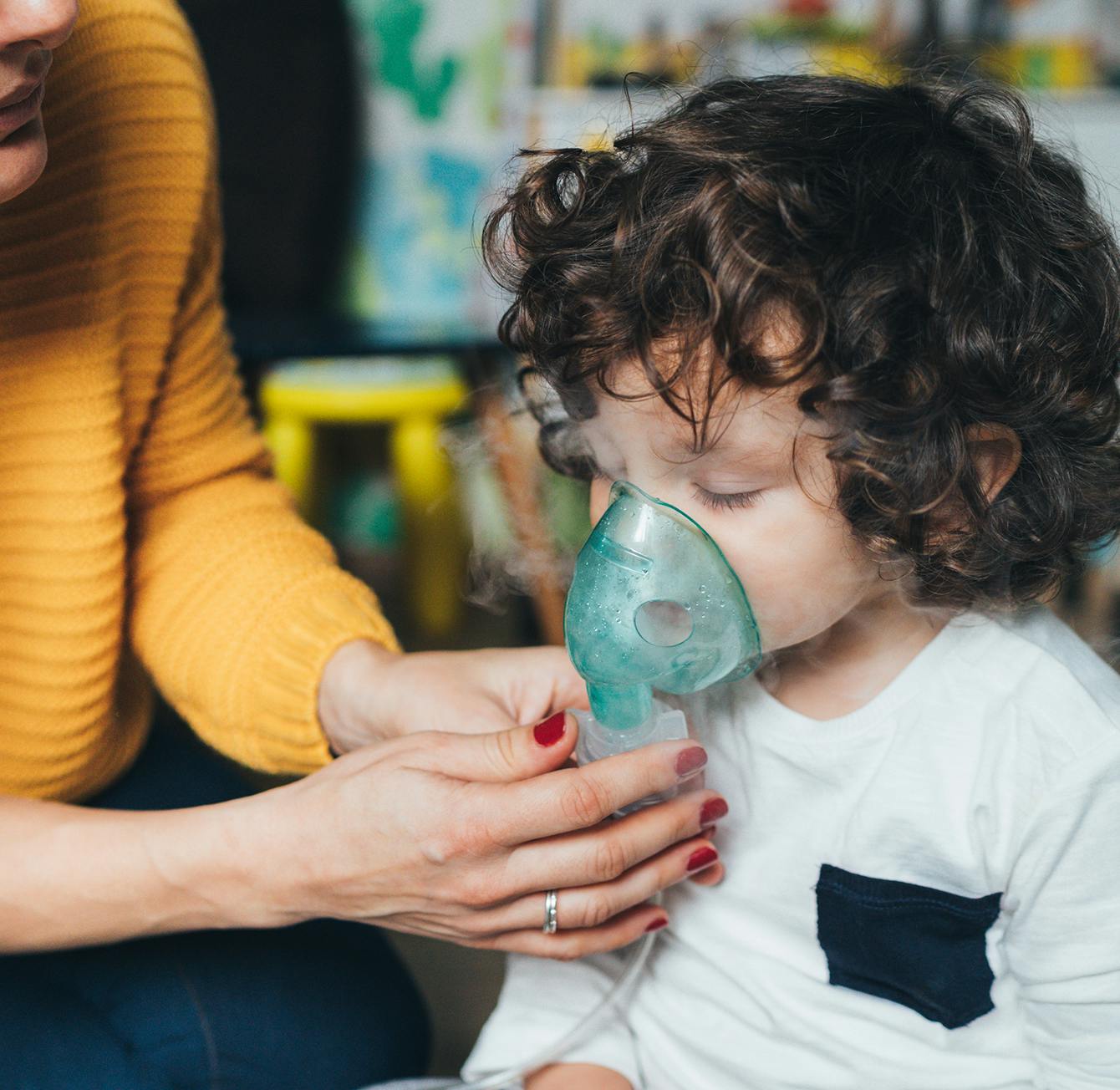
Breathing problems can develop for many reasons, including airway inflammation, infection, allergies, or structural conditions, and may require evaluation to identify the underlying cause and restore comfortable breathing.

Causes of Breathing Problems:
Breathing problems can arise from various factors, including:
- Respiratory Infections: Common colds, influenza, bronchitis, and pneumonia can cause congestion and inflammation in the airways, leading to breathing difficulties.
- Asthma: This chronic respiratory condition causes the airways to become inflamed and constricted, resulting in wheezing, shortness of breath, and chest tightness.
- Chronic Obstructive Pulmonary Disease (COPD): COPD encompasses conditions like chronic bronchitis and emphysema, which can lead to progressive airflow obstruction and breathing difficulties.
- Allergies: Allergic reactions to pollen, dust mites, pet dander, and other allergens can trigger symptoms like sneezing, nasal congestion, and difficulty breathing.
- Environmental Factors: Exposure to environmental irritants, such as pollution, smoke, or industrial chemicals, can worsen breathing problems.
- Physical Activity: Exercise-induced bronchoconstriction can lead to shortness of breath during physical activities.
- Heart Conditions: Certain heart conditions, like congestive heart failure, can lead to fluid accumulation in the lungs, resulting in breathlessness.
- Obesity: Excess weight can place pressure on the respiratory system, making it harder to breathe.
- Anxiety and Stress: Emotional factors can contribute to hyperventilation and shortness of breath.