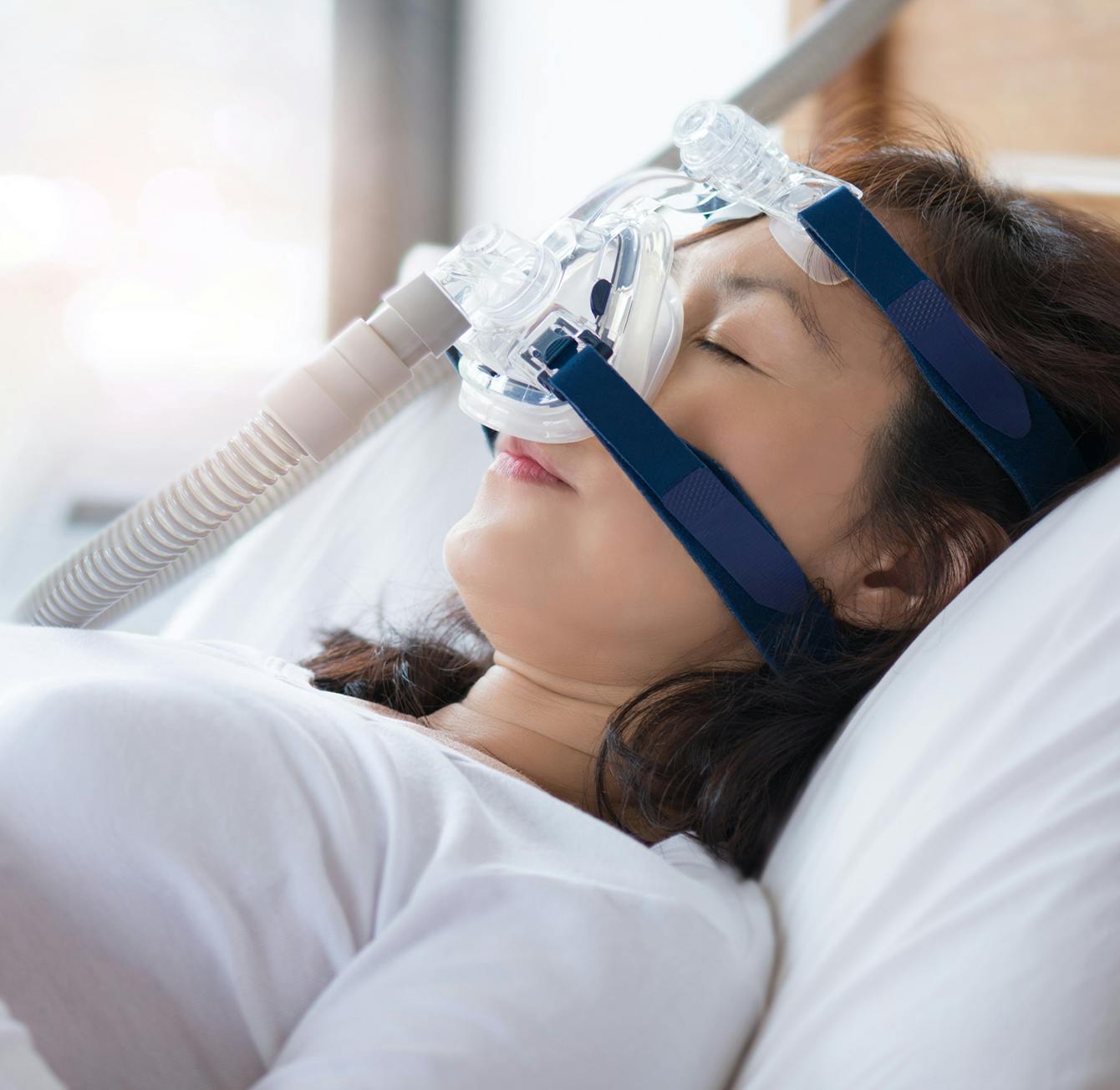
Sleep apnea is a sleep-related breathing disorder in which the airway repeatedly becomes blocked during sleep, leading to interrupted breathing, poor sleep quality, and increased risk of serious health complications.

What is Sleep Apnea?
Snoring can also be a sign of a more serious problem, known as obstructive sleep apnea. With sleep apnea, the relaxed muscles at the back of the throat cause the throat to close, which stops breathing, typically for 20 seconds to up to three minutes. Most sleep apnea sufferers experience this cycle of snoring, apnea, and awakening five or more times a night. Sleep apnea has a higher incidence among people aged 40 and older, people with a family history of snoring, and postmenopausal women.
Because it disrupts the normal sleep pattern, sleep apnea makes you feel tired, slows your reaction time, and can lead to confused thinking and memory loss. Other complications of sleep apnea can be high blood pressure, heart attacks, stroke, hypertension, anxiety, and depression.
Sleep apnea is diagnosed through a physical examination with particular emphasis on weight, blood pressure, and airway constriction in the nose, throat, and lungs. In many cases, a sleep test will be recommended at a sleep laboratory. The sleep test monitors 16 different body functions while you sleep and can help identify the exact cause and severity of the sleep apnea.