
10
Nov
November is Alzeheimer’s Awareness Month
Dysphagia (swallowing problems) frequently develop in patients with Alzheimer's disease and leads to decreased quality of life as well as serious health consequences. Unfortunately, swallowing deficits tend to increase in individuals as dementia progresses such as eating an...
View More10
Nov
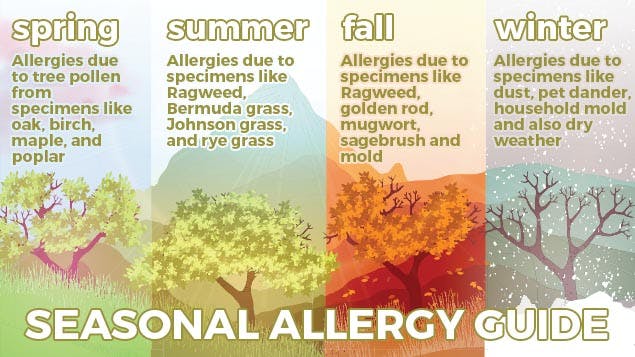
Fall and Winter Allergies
If you're wondering whether or not you or your child have fall or winter allergies, here are some signs it might be time to visit an otoloaryngologist (ENT) for an evaluation. The most common fall allergies come from high levels of ragweed pollen and mold spores, which tend...
View More10
Nov
November is COPD Awareness Month
COPD is a disease of the respiratory system. COPD stands for Chronic Obstructive Pulmonary Disease and includes such conditions as emphysema, chronic bronchitis, and asthma. People with COPD and other lung diseases can develop a swallowing dysfunction called DYSPHAGIA. Dysphagia ...
View More10
Nov
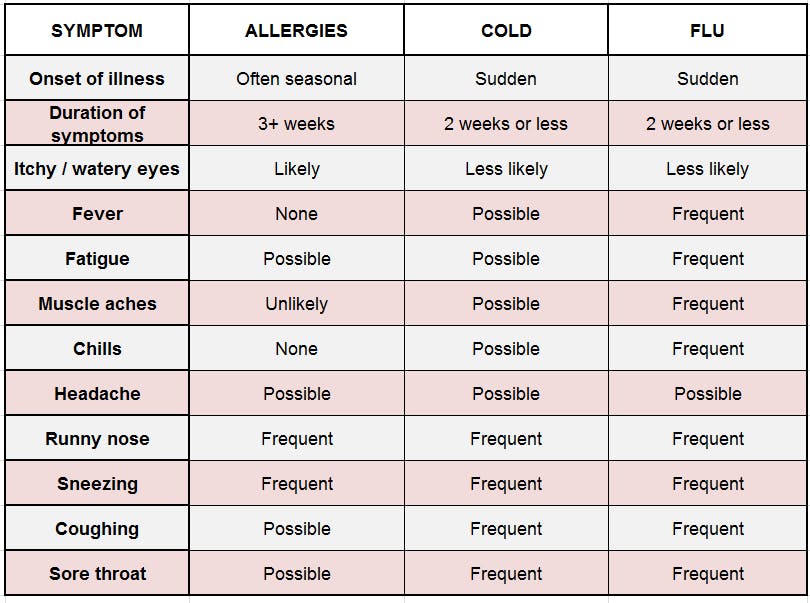
Is it Fall Allergies, a Cold, or the Flu?
Is it Fall Allergies, a Cold, or the Flu? While spring allergies get a lot of attention, life can be just as difficult for those with fall allergies. Tree pollen is the major trigger for spring allergy sufferers, grass pollen affects summer allergy patients and weed pollen causes...
View More10
Nov
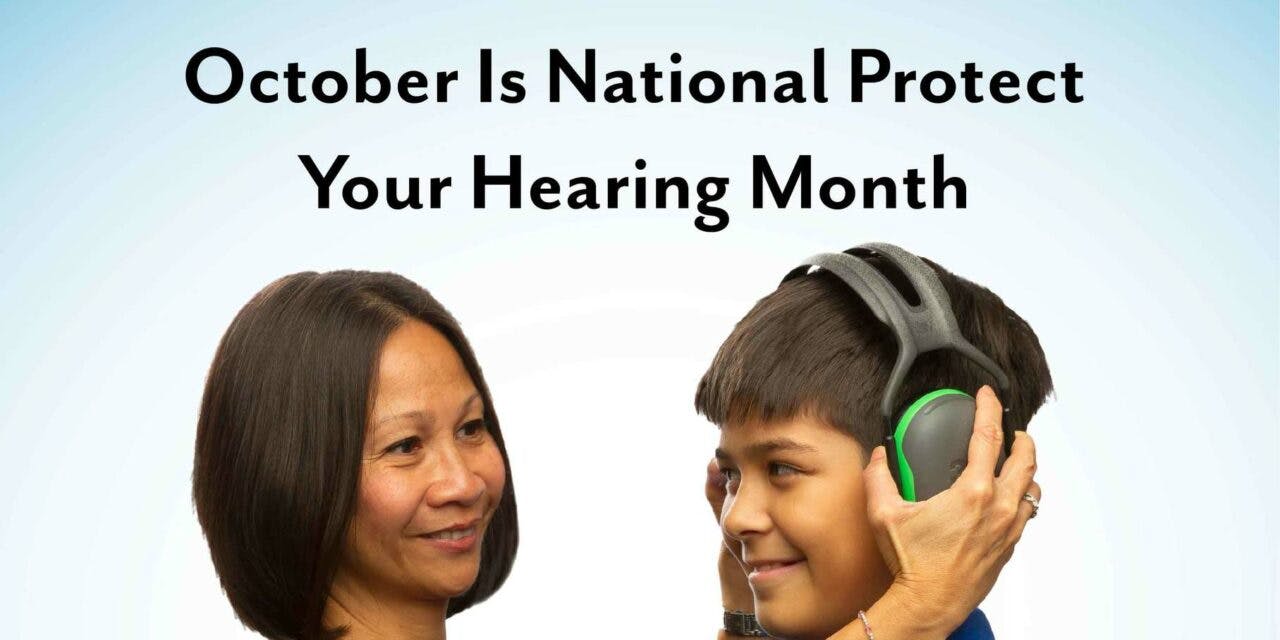
October is National Protect Your Hearing Month
Protect yourself and your loved ones from noise-induced hearing loss (NIHL). Signs of NIHL may not be obvious at first, but they can build over time. Anyone can develop NIHL at any age. According to the US Centers for Disease Control and Prevention (CDC), about 40 million US adul...
View More10
Nov
Fall Allergies
What are the symptoms of fall allergies? Watery, itchy, or generally irritated eyes Runny nose, clear nasal drainage, nasal congestion Sneezing Headaches Rashes or hives on the skin Itchy throat Aggravated asthma symptoms, including coughing, wheezing In severe cases, trouble br...
View More10
Nov
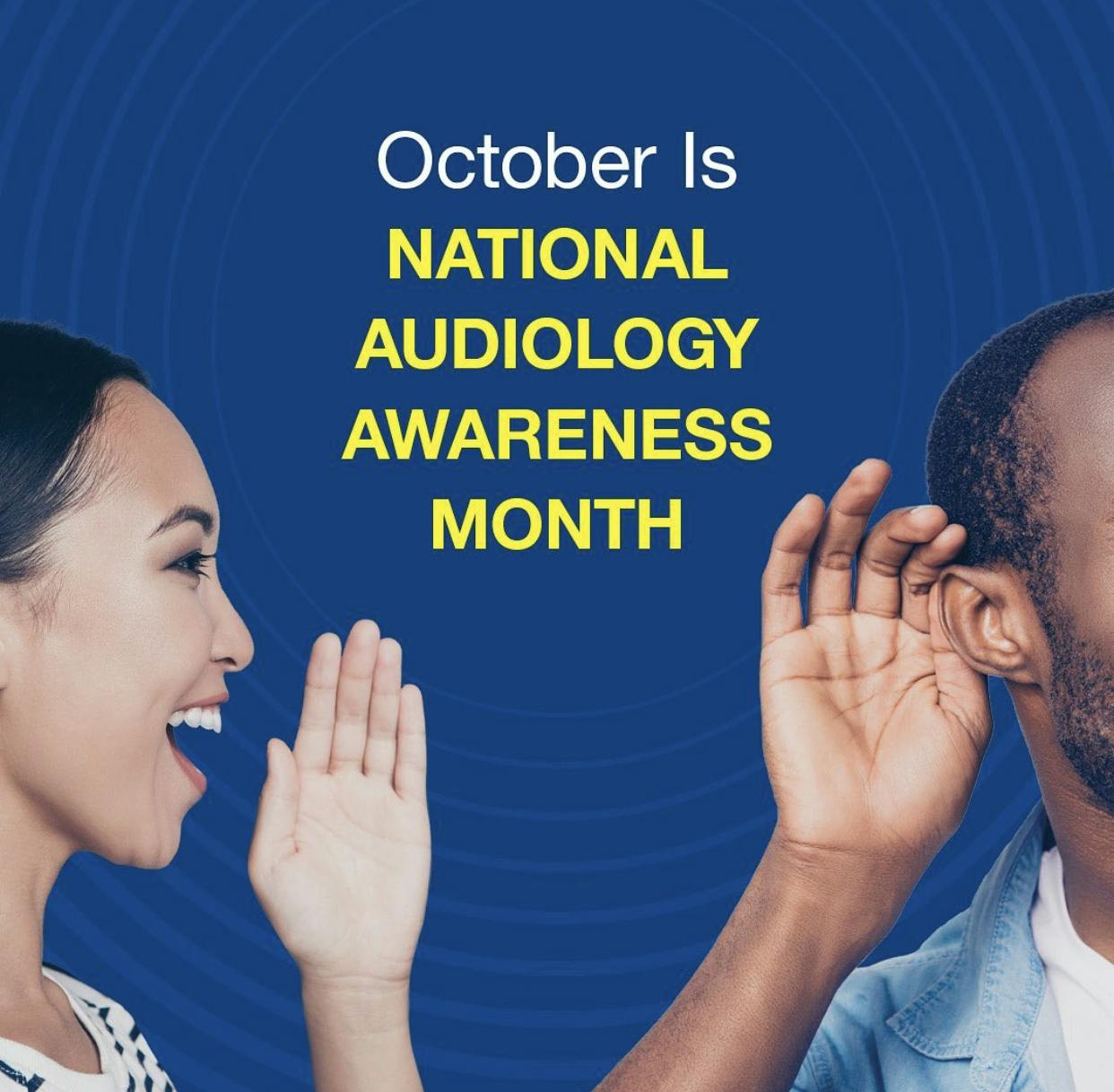
October is National Audiology Awareness Month
Audiology is the study of hearing and balance disorders. The goal of this national month-long observance is to raise awareness of audiology and the importance of hearing protection in preventing hearing loss. Hearing loss can be caused by a variety of factors including noise expo...
View More10
Nov
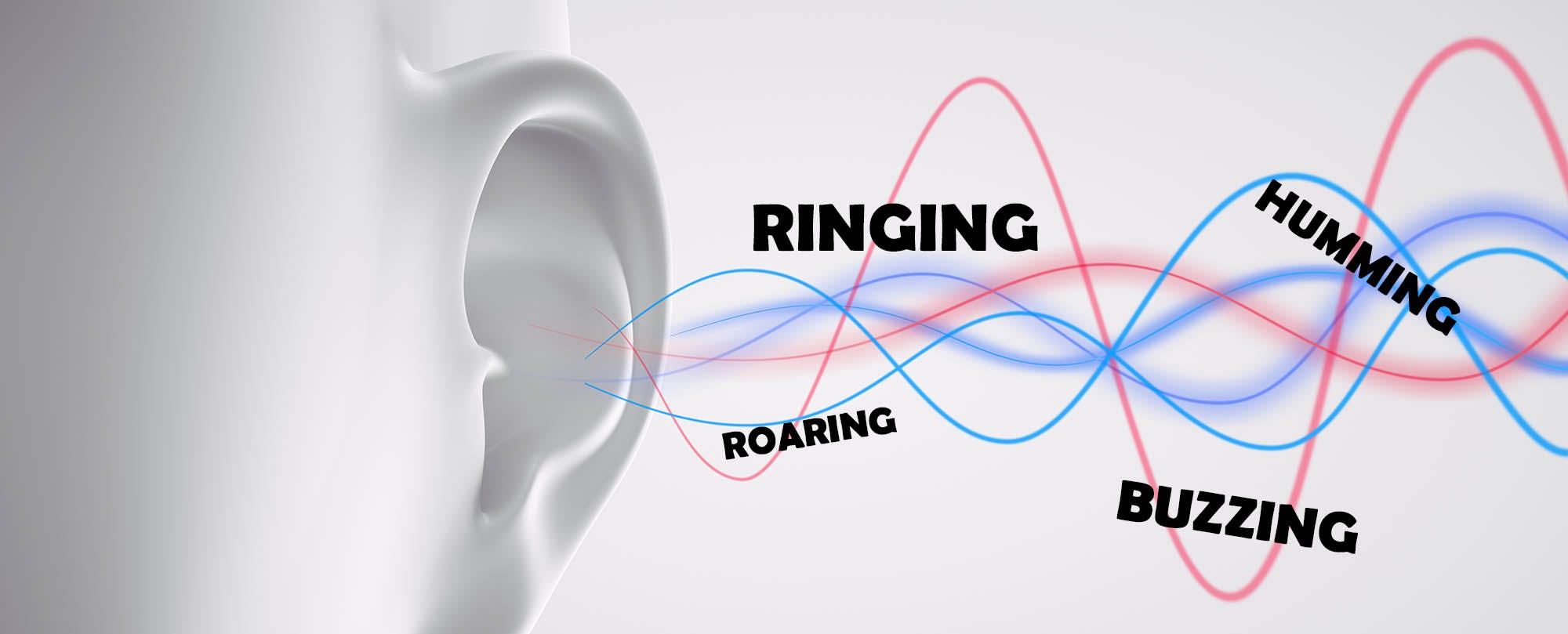
Facts About Tinnitus
Facts About Tinnitus AKA: The Noise In My Ears Do you hear a ringing, roaring, clicking, or hissing sound in your ears? Do you hear this sound often or all the time? Does the sound bother you a lot? If you answer yes to these questions, you may have tinnitus (tin-NY-tus). Tinnitu...
View More10
Nov
Hearing Loss & Dementia
Today, now more than ever, an emphasis is being placed on health and wellness. How do we stay active? How do we reduce our risk of “aging diseases”? What do we need to do to stay healthy and what all does that include? The Centers for Disease Control expects that the ...
View More10
Nov
Sudden Sensorineural Hearing Loss (SSHL)
Sudden Sensorineural Hearing Loss (SSHL) is a rapid loss of hearing. SSHL can happen to a person all at once or over a period of up to 3 days. It should be considered a medical emergency. A person who experiences SSHL should visit a doctor immediately. A doctor can determine whet...
View More10
Nov
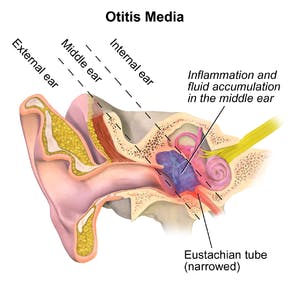
Otitis Media
What is otitis media? Otitis media is an infection or inflammation of the middle ear. This inflammation often begins when infections that cause sore throats, colds, or other respiratory or breathing problems spread to the middle ear. These can be viral or bacterial infections. Se...
View More10
Nov
September is Deaf Awareness Month
The purpose of Deaf Awareness Month is to increase public awareness of deaf culture. Medically, hearing loss is defined by the results of a hearing test. There are parameters set out to classify someone as either deaf or hard of hearing. A complete hearing test examines how ...
View More